
Clarify Weather Conditions Behind Accident and Insurance Claims
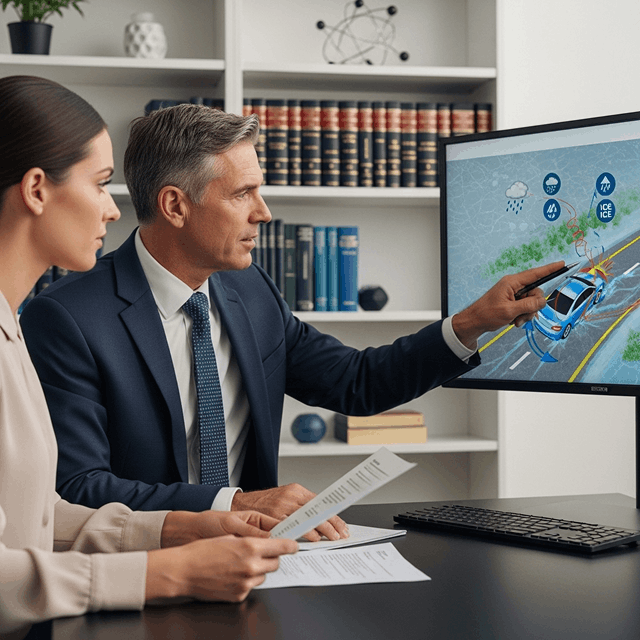
Weather conditions such as rain, ice, fog, and wind can play a major role in road accidents and insurance disputes. I analyze precise weather data to determine how conditions may have contributed to an incident and whether reported events align with actual atmospheric conditions. This service supports both car insurance, weather damage claims, and auto accident expert witness cases with clear, data-backed analysis.
About This Service
Hurricane Consulting for Insurance and Legal Clarity
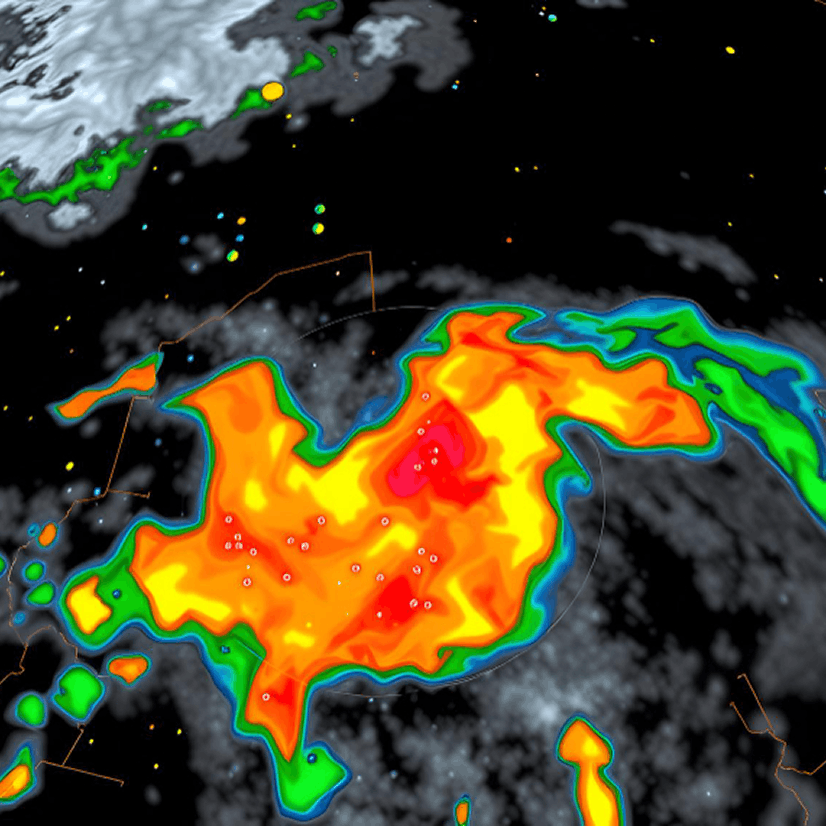
This service analyzes whether reported hurricane damage is consistent with verified storm conditions at the exact time and location of the event. Using hurricane tracks, radar data, satellite imagery, and surface observations, I reconstruct storm behaviour to determine wind exposure, rainfall intensity, and localized impact.
This helps answer a key question often raised in disputes: Does insurance cover hurricane damage based on the actual conditions that occurred at the site?
Why It Matters
Why Weather Evidence Matters in Accident Claims
Weather conditions can significantly influence driving safety, but they are often generalized in reports or reconstructed after the fact using incomplete information. In insurance disputes, this becomes critical when determining liability, causation, or coverage eligibility.
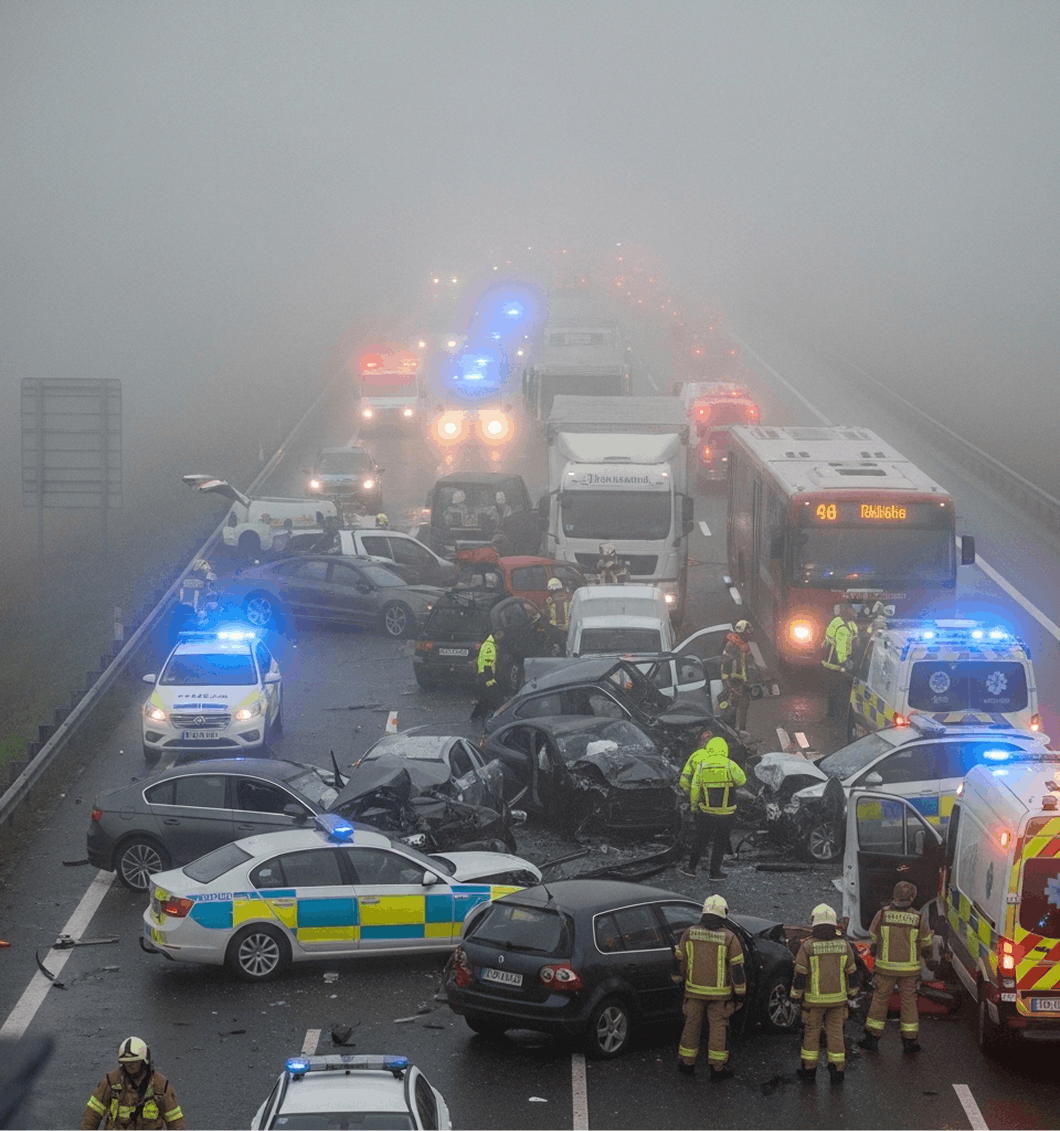
For example, light rain in one area may not reflect icy road conditions just a few kilometers away, and fog or black ice can develop rapidly without being captured in standard forecasts. When decisions rely on broad regional weather summaries instead of precise, location-specific data, important details can be missed, leading to inaccurate conclusions about fault or damage. Accurate reconstruction ensures that claims and investigations are based on verified environmental conditions rather than assumptions.
Core Service Areas

Road condition weather reconstruction
Detailed analysis of precipitation, temperature, and surface conditions to determine road safety at the time of the accident.

Visibility and fog assessment
Evaluation of visibility levels, fog density, and atmospheric clarity to determine whether driving conditions were impaired.

Ice and freeze risk analysis
Assessment of temperature drops, black ice potential, and freeze-thaw cycles that may have contributed to accidents.

Storm impact evaluation for auto claims
Review of rain, wind, and severe weather events to determine their role in vehicle damage or accident causation.
Case Types
Car insurance weather damage claims
Auto accident liability disputes
Slippery road and ice-related crashes
Fog-related visibility accidents
Wind-related vehicle damage
Insurance coverage verification cases
Auto accident expert witness testimony
How It Works
1
Submit your request
Provide the location, timeframe, and context of your case, project, or operational need. No technical formatting is required.
2
Define scope & analyze data
I review the details and identify the appropriate datasets, methods, and analytical approach needed for your specific situation. Weather and environmental data are then processed, analyzed, or reconstructed based on the service type.
3
Deliver structured results
You receive a clear, defensible report or insight summary designed for legal, technical, operational, or planning use depending on your needs.
Why Work With John
-

Scientific precision with real-world application
All analysis is grounded in validated meteorological and environmental data to ensure accuracy and reliability across technical, legal, and operational contexts.
-
Clear and defensible insights
Complex weather and environmental data is translated into structured, easy-to-understand findings suitable for professional review and decision-making.
-
Certified expertise and credibility
Work is conducted under rigorous scientific standards, including Daubert-aligned methodology for forensic work and established meteorological best practices.
-
Independent and objective analysis
All conclusions are based strictly on data and established scientific methods, with no assumptions or external bias.


Lamont Matthews
Personal Injury/Weather-Related Vehicular Accident Case
After a harrowing experience of being involved in a motor vehicle accident during a severe winter storm last year, I found myself in an unexpected and challenging situation. The storm brought not just snow but also lots of ice and freezing rain. After the accident, as I stepped out of my car, I slipped on the ice, adding to the complexity of my case. I was initially at a standstill with my insurance company. They disputed the claims about the weather conditions, specifically at the time of the accident. This is when I turned to the expertise of John Bryant. His analysis and reconstruction of the precise weather conditions at the time and location of my accident were remarkable. John’s report detailed the specific weather conditions, including the exact type of precipitation, temperature, and ice conditions at the time and my location. This level of detail was crucial. It was his expert testimony and report that made all the difference. Thanks to his analysis, I was able to settle the dispute with my insurance company quickly after they received his report. I am deeply grateful for John Bryant’s professionalism and expertise. His work not only provided clarity and evidence in my case but also showcased his commitment to applying expert weather knowledge to help people in need when facing challenges like mine. This experience left me with such a respect for forensic meteorology and its significant role in our lives, especially in critical times of need.
New York Attorney
Slip-and-Fall Case
I recently worked with John Bryant of Weather and Climate Consulting, LLC, on a New York slip-and-fall matter in which the ‘Storm in Progress’ defense was the central issue. John’s analysis of NEXRAD radar and site-specific temperature trends was surgical. He pinpointed the exact minute precipitation ceased and tracked the freeze/thaw cycle with a level of precision I haven’t seen from larger national firms. His work provided the objective evidence we needed to establish the timing of the hazard. He is easy to work with, highly responsive, and very cost-effective. If you have a case where the “when” and “how” of ice formation are in question, he is your guy.
Satisfied Defense Attorney
Slip and Fall Case
I hired John Bryant as an expert witness for a slip and fall case involving intricate winter weather data. His exhaustive analysis to find scarce, precise data were instrumental in dismantling the opposition’s claims. The evidence he provided to reconstruct the weather event was critical to securing a favorable settlement for my client. If you need an expert weather witness whose detailed, authoritative reports can distinguish between winning and losing, John Bryant is the person to call.
Satisfied Personal Injury Attorney
Flash Flood Case
John’s Forensic Meteorology expertise was invaluable to a Flash Flood case. When a tragic flash flooding incident occurred in an isolated area, the closest weather reports did not reflect the true conditions at the site. There was not a certified storm report to be found. This posed a serious challenge. However, through his meticulous analysis and reconstruction of the weather patterns, John was able to demonstrate precisely what conditions were like when an individual encountered flood waters that unfortunately led to a loss of life. Despite what the broad regional data showed, he proved beyond a doubt that intense rainfall did occur in that location on that day and weather conditions played a part. John has an uncanny ability to dissect complex weather events and present the findings in a clear, easy to understand manner. His customized report helped bring a bit of justice to such a tragic incident. I would highly recommend retaining John for any legal matter involving the reconstruction of past weather or climate conditions. His skills and precision give attorneys and insurance companies the meteorological facts they need to effectively argue critical cases.
FAQs
- How do you determine weather conditions during a car accident?
By analyzing radar data, temperature records, precipitation type, visibility reports, and surface conditions at the exact time and location.
- Can weather really affect liability in an accident case?
Yes. Conditions like ice, fog, or heavy rain can significantly impact driving safety and legal responsibility.
- What is an auto accident expert witness?
An expert who provides scientific analysis of weather conditions to support legal or insurance investigations involving road incidents.